
Prevent Water Damage Before It Spreads
Deco Seal in Cypress for gaps between pool deck and coping that allow water intrusion and structural shifts
A&J Pool Plaster applies professional expansion joint sealing between your pool deck and coping to stop water from working its way into the gaps that form over time. You are dealing with materials that expand and contract at different rates, especially during the temperature swings common in this region. When that joint stays open, water seeps beneath the deck surface, saturating the base and gradually weakening the structural integrity of both the coping and the surrounding concrete.
This service addresses the space where deck meets coping, a critical area that absorbs movement from freeze-thaw cycles, soil settlement, and thermal expansion. Without a proper seal, water intrusion accelerates erosion beneath your deck, promoting cracking, shifting, and eventual failure of the bond between materials. Sealing that joint creates a flexible barrier that moves with the deck while keeping moisture out, protecting the investment you have already made in your pool surround.
If you are planning deck resurfacing or coping replacement, this is the right time to add expansion joint sealing to the scope of work.
What Happens When the Joint Is Sealed
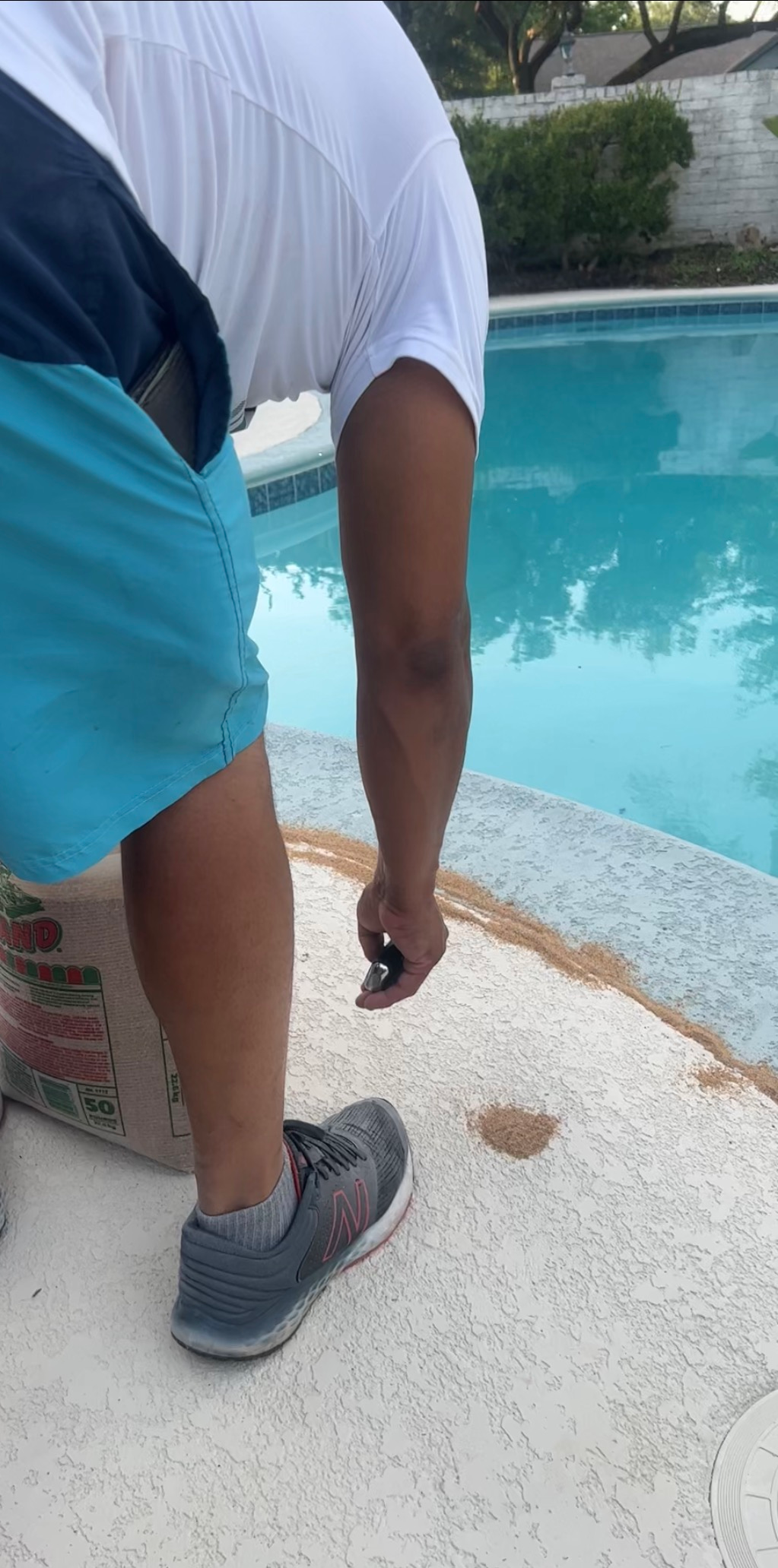
The application begins with cleaning out any debris, old sealant, or crumbling material from the joint itself. You need a clean, dry surface for the new sealant to bond correctly, so the crew removes dirt, sand, roots, and loose concrete before applying primer where needed. The sealant used is a flexible polyurethane or elastomeric material designed to accommodate movement without tearing or separating from the substrate.
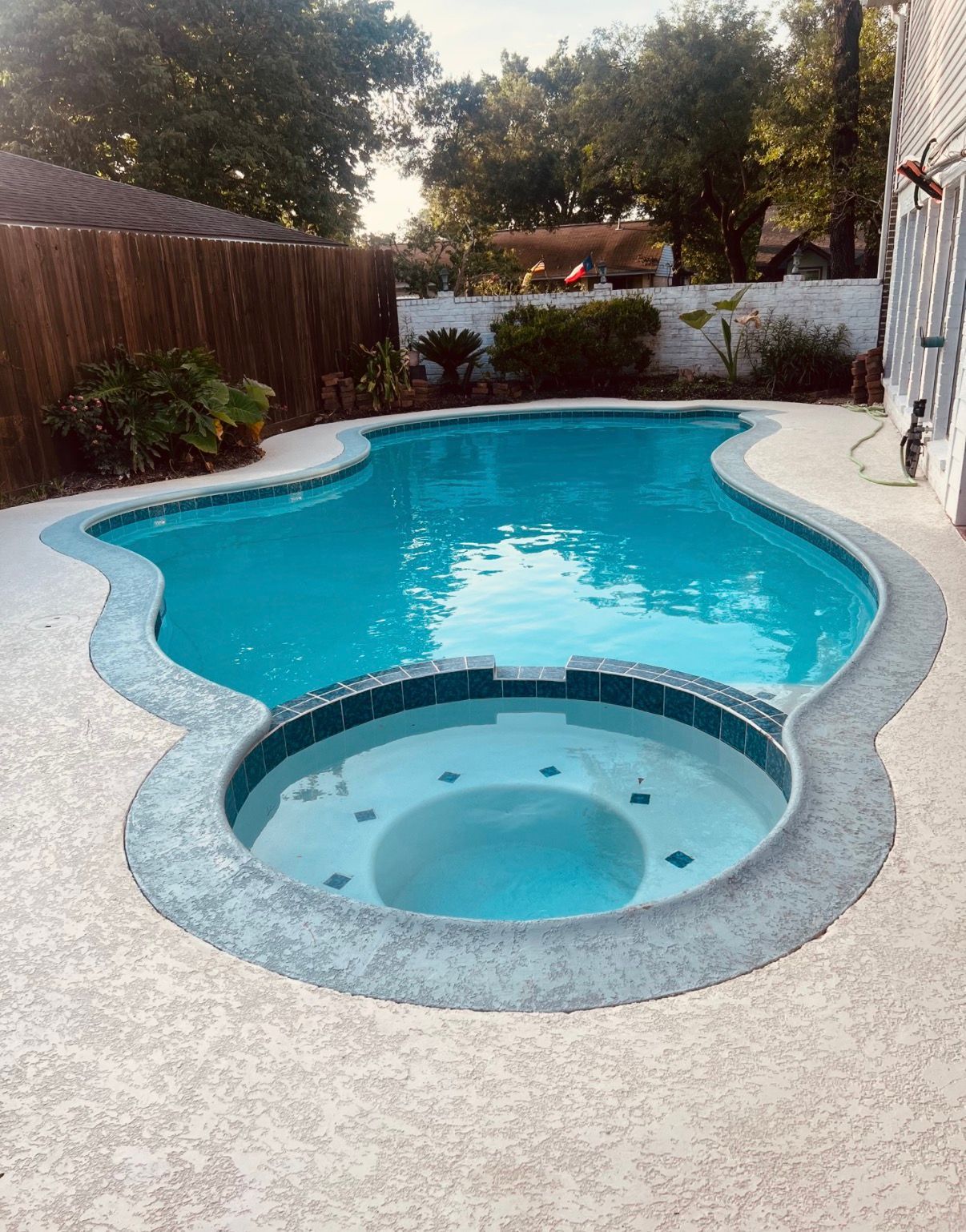
After the joint is sealed, you will see a uniform, clean line running the length of your pool perimeter. Water no longer pools in the gap after rain or backwash, and the deck stops shifting as much during seasonal temperature changes. A&J Pool Plaster ensures the sealant is tooled smooth and sits level with the surrounding surfaces, so the finished joint looks intentional rather than patched.
The work typically takes place during dry weather to allow proper curing. It is most effective when completed alongside other concrete or coping work, but it can also be done as a standalone repair if you are noticing water stains, settling, or separation along the deck edge. This is not a cosmetic upgrade alone; it is a structural safeguard that extends the lifespan of your entire pool deck assembly.
Questions About Expansion Joint Sealing
Homeowners often ask how the sealing process works and what to expect once the joint is protected.
What does the sealant actually prevent?
It blocks water from entering the space between deck and coping, which stops subsurface erosion, freeze damage, and the kind of shifting that leads to cracks in both materials over time.
How long does the sealant last?
Most professional-grade joint sealants remain effective for several years, depending on sun exposure, deck traffic, and how much movement occurs in the underlying base.
When should you have this done?
The best time is during a deck resurfacing project or right after coping replacement, but you can also schedule it if you notice widening gaps, water pooling along the deck edge, or visible separation in Cypress.
Why does the joint need to flex?
Concrete and coping expand at different rates when temperatures change, so a rigid filler would crack and fail quickly, while a flexible sealant absorbs that movement without breaking.
A&J Pool Plaster completes expansion joint sealing as part of comprehensive pool deck maintenance or as a focused repair when water intrusion has already started to compromise your concrete surfaces. Reach out to discuss timing, surface conditions, and how sealing fits into your broader pool maintenance plan.